The Media Production major is designed to prepare students not only for careers in traditional media such as radio, television, journalism, and film, but also in employment opportunities like churches, ministries, production houses, and small business. As students pursue Christ, they pursue the creative craft of audio and video production, visual story-telling, writing, editing, producing, and on-air performance.
You belong in Media Production if you
- know every great story starts with a compelling, script-driven hook
- love the high-energy buzz of creative and collaborative work
- analyze media and think, “I want to make that”
- want a dynamic career jumping across multiple creative media platforms
- get a rush from mastering the perfect audio and video cuts
- are drawn to hosting shows or podcasts
Why study media production at Northwestern?
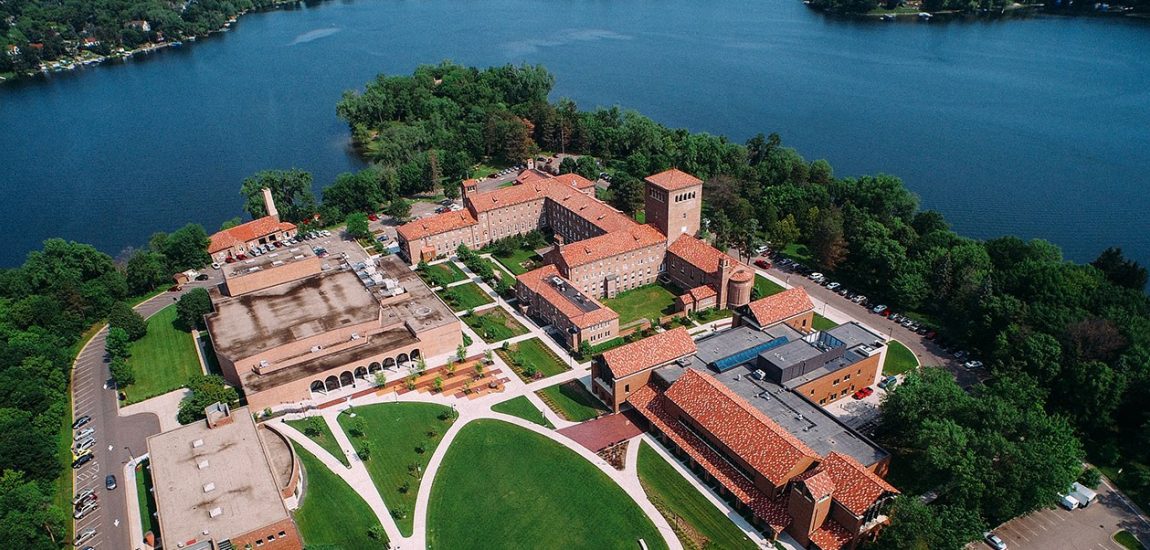
Launch your media career with professional market experience right on campus. At the University of Northwestern – St. Paul, you will not just study media—you will create it from day one under the mentorship of industry-seasoned Christian faculty. Our intimate, small-group classes ensure you get personalized coaching to discover your unique strengths, sharpen your creative edge, and watch God’s gifts flourish within you as you pursue Christ and pursue craft.
The Northwestern Advantage
- Your Media Playground: Study inside the Mel Johnson Media Center, the campus hub known as “The MEL.”
- Major Market Footprint: The MEL is home to Northwestern Media, a massive radio and podcast ministry with 23 radio stations across 14 markets, including local powerhouses 98.5 KTIS and Faith Radio.
- Twin Cities Access: Tap into the thriving Minneapolis-St. Paul market for high-profile internships and career networking.
- Proven Alumni Success: Join a network of graduates thriving as TV news anchors, radio hosts, investigative reporters, media managers, and production company founders.
Request Information
median pay in 2025
jobs in 2025
degree required
According to the U.S. Bureau of Labor Statistics Occupational Outlook Handbook for Film and Video Editors and Camera Operators. Retrieved August 2026.
Available Media Production Tracks
The film & video track will help you develop your skills in video production and content creation. You’ll be prepared to work in television, film, and other careers in electronic media. This track also lays a strong foundation for graduate study. Classes include Directing the Actor, Scriptwriting, Post-Production, and Single Camera Production.
The radio & recording arts track is designed to develop your skills in announcing, audio production, media writing, programming, and management. You’ll be prepared to work in radio, television, film, podcasting, and other careers in electronic media or go on to graduate study. Classes include Broadcast Tech, Advanced Audio Production, Brand Production Strategies, and Sound Design.
The Heartbeat of The MEL: The Media Entertainment Lab
The MEL is not just a facility—it is a live, breathing laboratory for creative risk. Consider this your ultimate media sandbox: a high-octane, student-run playground designed for radical experimentation. Here, you are given the keys to the studio and the freedom to push creative boundaries.
theMEL.fm | 98.5 FM HD 3
We don’t expect you to be perfect. In fact, The MEL is a safe zone to fail forward, stumble creatively, and try wild ideas until you discover your unique voice. It is a collaborative, high-energy community where future storytellers, filmmakers, and broadcasters challenge each other to dream bigger and execute better.
Four Dynamic, Student-Run Workshops
Forget standard homework. In The MEL, you will jump into four distinct, fully autonomous workshops: Radio, Film, Video & Journalism, the PR Agency. It is student-led, student-operated, and student-powered, with expert faculty advisors stepping in only when they want to take your ideas to the next level.
The MEL is more than a radio station. It is a media training platform designed to provide a safe space for students to freely make mistakes and grow in the art of storytelling. It’s collaborative creative community for students to learn, dream, hope, and find their voice through film, radio, social media, podcasting, content marketing, and video storytelling.
2026 Five16 Film Festival Student Films
The Five16 Film Festival is a signature event at the University of Northwestern’s creative community. What started in 2007 as a small showcase of student work has exploded into a massive, high-energy celebration. Today, the festival packs the house with close to 1,500 in-person attendees, while attracting more watching the live stream across the country.
Each year our students submit films to the Five16 Film Festival to be judged by a jury of professionals. Here are the opening video and some of the winning films from this year.
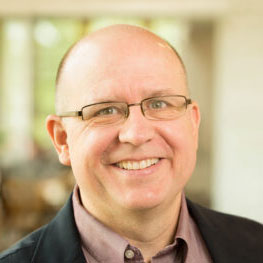
Professors connected me with individuals who provided me with further learning opportunities. Through various internships and jobs, I grew in pre-existing skills, was stretched to learn new ones, and made meaningful connections. All of these opportunities helped bring clarity to what I am passionate about, and ultimately, the skills I learned, and the relationships made led me to my current role. I am thankful for how God used the Media Arts Department to impact my life!

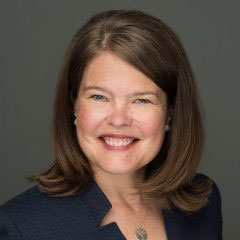
I experienced a unique shift during my time at UNW where the individual concentrations of the Communication department began working together and supporting each other. That networking and community was and continues to be amazing! Participating in Radio Workshop and eventually participating on the Executive staff was incredibly impactful. I had upperclassmen pour into me, and then I had the opportunity to do the same for other students. Getting involved in Radio Workshop and helping run the student radio station (98.5HD4 theMEL) provided the work experience I needed to make a seamless transition to working at a radio station Post-Graduation.

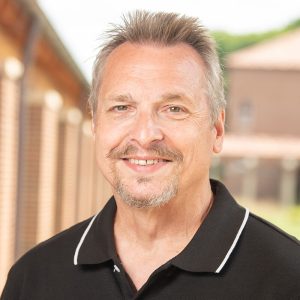
The UNW Media Production professors connected me with individuals that have shaped my first few jobs in the industry. From starting out on small student led short films to now working on big budget feature films and television shows, the professors have always given their support from close and afar. I always felt like anything was achievable during my time at UNW and that continues to run true to today.

Careers in media production
There are a variety of career and academic pathways that begin with a degree in media production.
What types of work are related to this degree?
- Programming and production
- Television news casting
- Directing
- Media advertising and sales
- Advertising production
- Producing and editing
- Promotions
- Audience analysis
- Audio, video, or television production support
- Speech and copywriting
- News videography
What will I learn?
You will gain an appreciation for technology and develop your communication skills.
MEP3115
Scriptwriting
A study of the distinctive characteristics of scripts written for radio, television and film. Special attention will be given tothe three-act structure, character delineation and motivation, conflict development and pacing, dialogue and subtext and unifying message. Students gain extensive experience through writing a treatment for a short film or television screenplay.
MEP4125
Sound Design
The art of sound conveys mood and emotion. It delivers ideas, sensations and story information. It can powerfully enhance the visual experience or completely destroy the aesthetic narrative with a misplaced sound effect or illogical music score. Students will build on their non-linear editing skills while focusing on their analytical and critical listening skills. Students will work with film, animation and audio productions to develop audio communication concepts, sonic environments and aural experiences.
MEP1016
Story Structure
An examination of communication in the electronic media through the analysis and development of script structure and narrative story elements. Subjects include storyboarding, acts, scenes, premises, plots, characters, action, motifs, etc. Students write critical analyses of professional scripts and productions and author their own treatments.

Still have questions about this program or how to apply?
Our team is ready with answers!
Discover the School of Arts & Humanities
Professors at Northwestern are focused on their students first. Our faculty include experts in their respective fields who want to help you grow in your faith while you earn your degree.